

Description
Common Water Treatment Chemicals and Their Roles:
The water treatment chemicals commonly used are vital to industrial processes like boiler feedwater treatment cooling tower systems wastewater treatment and process water clarification and production (e.g. energy plants, power stations, oil and gas, paper & pulp and food & beverages). They deal with issues such as suspension solids and microbial growth corrosion, scaling and pH imbalances in order to increase efficiency, safeguard equipment and ensure compliance with regulations.
Here are the major categories, with examples and their respective roles:
- Coagulants and Flocculants
They remove the suspended matter, as well as turbidity and colloids through destabilizing and disaggregating them for easier separation or filtering.
- Aluminium Sulfate (Alum, Al2(SO4)3) Neutralizes charge of particles to form flocs.
- Ferric Chloride (FeCl3) and Ferric Sulfate: The strongest coagulants to bind fine particles to form larger clumps. Effective in the pH range of a broad range, and for the removal of heavy metals.
- The Polyaluminum chloride (PAC): Highly effective coagulant, with less dosage requirements; it works in cold water, and makes less sludge.
- The polyacrylamides (PAM): Flocculants that connect particles to larger flocs that can be settled; commonly used following the coagulation of.
Industrial usage Pretreatment of the process water, clarification of wastewater and thickening of sludge.
- Disinfectants and Biocides
They kill or manage algae, viruses, bacteria and other microbes in order to avoid biofouling, and also ensure the safety of water.
- Chlorine (Cl2) and the sodium Hypochlorite (Bleach NaOCl): Oxidize and kill pathogens, and provide protection for distribution systems.
- Chlorine Dioxide (ClO2): Effective against a variety of living organisms. It is less dependent on pH and decreases the formation of some byproducts.
- Hydrogen Peroxide or Ozone strong oxidizers; Ozone doesn’t leave any harmful residues (breaks into oxygen).
industrial use Cooling towers (to reduce Legionella as well as slime) boiler systems and disinfection of wastewater.
- pH Adjusters
They maintain a pH that is optimal (typically 7 to 9 for a variety of systems) to help other treatments, stop corrosion, and control scaling.
- Sodium Hydroxide (Caustic Soda NaOH) and Lime (Calcium Hydroxide): Add alkalinity and raise pH.
- Sulfuric Acid (H2SO4) or Hydrochloric Acid (HCl): Lower pH in alkaline water.
- Soda Ash (Sodium Carbonate): A mild pH booster as well as a softening agent.
Industries use Cooling water and boiler to maximize corrosion control, coagulation and prevent the formation of scale.
- Scale Inhibitors (Antiscalants)
They prevent the formation of the formation of mineral deposits (e.g. silica, calcium carbonate and silica) that hinder the transfer of heat and can block systems.
- Phosphonates (e.g., ATMP, HEDP) and Polymers Threshold inhibitors which hinder crystal growth in very low levels.
- Citric Acid is a chemical that chelates metals and eliminates the existing scale.
industrial use Cooling towers, boilers reverse Osmosis (RO) membranes as well as heat exchangers.
- Corrosion Inhibitors
These shield metal surfaces (pipes boilers, pipes and heat exchangers) from degradation and rust.
- Phosphates Molybdates, Nitrites, and Silicates form protective films or passivate the surfaces.
- Oxygen Scavengers (e.g., Sodium Sulfite Hydrazine substitutes) remove dissolved oxygen that causes pitting in boilers.
industrial use closed-loop boilers, cooling systems and pipelines for manufacturing and power generation.
- Other Specialized Chemicals
- Chelating agents (e.g., EDTA) Bind ions of hardness to stop scaling.
- Oxidizers (e.g., Potassium Permanganate) for removal of manganese and iron as well as for the control of odors.
- Defoamers and dispersants Keep foam under control and keep solids suspended.
Summary Table of Key Applications
| Category | Examples | Primary Role in Industry |
| Coagulants/Flocculants | Alum, Ferric Chloride, PAC, PAM | Clarification, removal of solids |
| Disinfectants | Chlorine, NaOCl, ClO2 | Biofouling prevention, control of microbes |
| pH Adjusters | NaOH, H2SO4, Lime | Process optimization, corrosion and scale control |
| Scale Inhibitors | Phosphonates, Polymers | Prevent deposits in boilers/cooling/RO |
| Corrosion Inhibitors | Phosphates, Oxygen Scavengers | Equipment protection, longevity |
Selection depends on water source quality, system type, and regulations. For example, boiler treatment emphasizes oxygen scavenging and alkalinity, while cooling towers focus on scale/corrosion/biocides. Always adhere to safety guidelines since some (e.g. acid and chlorine) can be dangerous. The latest trends are more environmentally friendly or low-phosphorus options for sustainable development.
For specific recommendations for a particular site water analysis, as well as consultation with a specialist in treatment are suggested.
Roles of Industrial:
Water treatment chemical industrial are essential to keeping the water quality in processes such as cooling towers, manufacturing, boilers, wastewater treatment, and so on. They aid in preventing damage to equipment and ensure that the operation is efficient. They also adhere to environmental regulations, get rid of pollutants, and safeguard the health of the public.
These chemicals are designed to address issues such as corrosion, scaling as well as the growth of microbial organisms suspended solids, as well as inadequate pH levels. This could reduce the efficiency of the system and increase the cost of maintenance or even cause system failures.
Main Roles of Industrial Water Treatment Chemicals
Here are the most important tasks, organized into categories:
- Preventing Scaling and Corrosion Inhibitors of corrosion and scale are vital in cooling systems, boilers and pipelines. They stop the formation of mineral deposits (like calcium carbonate) which reduce the flow of heat and heat transfer, and shield metal surfaces from corrosion and deterioration. This prolongs the life of equipment and helps maintain the efficiency of the equipment.
- Chemicals that are commonly used Phosphates, phosphonates and polymers (scale inhibitors) molybdates, nitrites organic inhibitors (corrosion inhibitors) Oxygen scavengers (e.g. sodium sulfurate) suitable for boiler systems.
- Contaminant Removal (Clarification) The flocculants and coagulants combine organic matter, suspended solids such as turbidity, colloids, and coagulants to form larger pieces (flocs) that settle, or can be removed. This clears water to be reused or released.
- Chemicals that are commonly found Common chemicals: Aluminum Sulfate (alum) ferric chloride, ferric Sulfate and polyaluminum chloride (PAC) as well as polymer flocculants.
- Disinfection and Microbial Control Disinfectants and biocides kill algae, bacteria, viruses, and various microorganisms responsible for biofouling disease, or buildup of slime in systems.
- Chemicals that are commonly found Chlorine, sodium hypochlorite chlorine dioxide, oxygen, hydrogen peroxide and organic biocides that are not oxidizing (e.g. isothiazolinones).
- pH Control and Adjustment of Alkalinity pH adjusters help maintain a an equilibrium in water chemistry, which allows it to be optimized for other treatments, reduce erosion (in pH-sensitive conditions) and also prevent scaling (in conditions that are alkaline).
- Chemicals that are commonly found Common chemicals: Sodium Hydroxide (caustic soda) as well as sulfuric acid, hydrochloric acid lime (calcium hydroxide) or soda Ash.
Additional Specialized Roles
- Oxygen Scavenging — Get rid of the oxygen dissolved in boiler feedwater to stop pitting corrosion.
- The Foam and Sludge Control Dispersants and defoamers help to control the buildup of foam and.
- The removal and precipitation of heavy metals Chelating agents and specific precipitants are used to bind and remove metals like manganese, iron or lead.
- Odor as well as color Control -Color Control and Odor Control – Oxidants as well as activated carbon-based treatments address these problems in the treatment of wastewater.
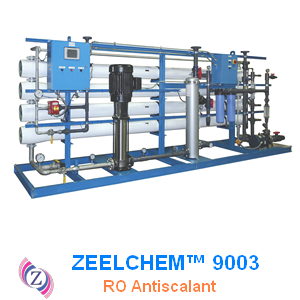
- Membrane protection (e.g. or reverse Osmosis) Anti-scalants as well as cleaners stop fouling.
Applications in Industries
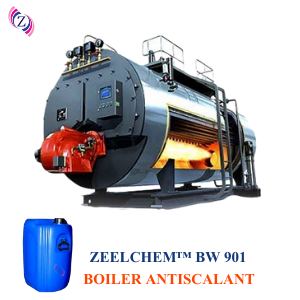
- Boilers and power plants The focus is on corrosion/scale inhibitors and oxygen scavengers to create steam that is high-purity.
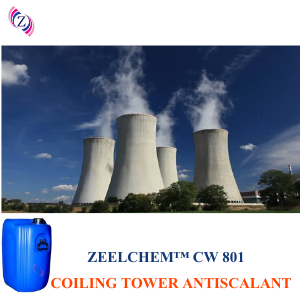
- Cooling towers Biocides as well as scale inhibitors and corrosion control for managing heat exchange.
- Manufacturing and Petrochemicals Coagulants used for wastewater and process water treatment.
- Discharge of wastewater Chemicals are used to assure compliance with regulations regarding pollutants, pH, as well as pathogens.
Key Considerations
Treatment programs are typically tailored to the water source (surface water, groundwater, or seawater) as well as the system type and the regulations. Insufficient or over-dosing could create problems, so monitoring (e.g. by measuring conductivity or pH, or even the microbial count) is essential. A lot of modern formulations focus on sustainability, like low-toxicity or biodegradable options.
For specific systems or chemical consultation with an expert in water treatment is highly recommended, since formulations differ based on the application.
Applications of Water Treatment Chemicals
Key Application Areas
- Municipal Drinking Water Treatment Coagulants to clarify and disinfectants for control of pathogens pH adjusters, as well as fluoride. These processes typically involve flocculation, coagulation, sedimentation as well as filtration and disinfection.
- Wastewater and Effluent Treatment: Coagulants/flocculants for solids removal, disinfectants, pH neutralizers, and nutrient (e.g., phosphorus) control. It helps in recycling and environmental conformity.
- Industrial Water Treatment :
- Cooling Systems: Biocides, scale inhibitors and corrosion inhibitors to stop fouling.
- Boilers Oxygen scavengers scale inhibitors and alkalinity builders.
- Process water (e.g. beverages, food & drinks and semiconductors, pharmaceuticals) Needs high purity with RO pretreatments and special inhibitors.
- Swimming Pools and Recreational Water: Chlorine/hypochlorite, algaecides, pH balancers, and clarifiers.
- Desalination and Other Specialized uses Biocides and Anti-scalants in reverse osmosis of seawater and targeted chemicals in power generation or mining.
ZEEL PRODUCT: Leading the Way in Sustainable Water Solutions
Sustainable water solutions for industry focus on reducing freshwater consumption, minimizing wastewater discharge, enabling reuse/recycling, cutting energy use, and ensuring regulatory compliance—while lowering operational costs. Industries like manufacturing, power, chemicals, food & beverage, and pharma are major water users, driving demand for innovative technologies.
Key Technologies and Approaches
- Desalination and Advanced Treatment: Solar-thermal or deep-sea systems, membrane technologies (e.g., reverse osmosis with energy recovery), and electro-ceramic desalination for complex wastewater. These reduce brine discharge and energy use (up to 40% savings in some cases).
- Water Reuse and Zero Liquid Discharge (ZLD): Closed-loop systems that recycle process water, treat effluents for reuse in cooling/boilers, and recover resources like salts.
- Smart Monitoring and Optimization: Real-time sensors for microplastics, contaminants, or flow; AI/data platforms for predictive maintenance and efficiency.
- Circular and Low-Impact Solutions: Greywater recycling, rainwater harvesting integration, and chemical treatments that minimize scale, corrosion, and biological issues without harsh additives.
Benefits and features
The chemicals used for treating water are specially-formulated substances that are added into water (for drinking industrial processes, wastewater boilers, cooling systems etc.) to clean up contaminants, cleanse and balance the chemistry, and safeguard infrastructure. They play a crucial part in making water secure, efficient and in line to environmental and health requirements.
Main Categories, Features, and Benefits
- Coagulants and Flocculants
- Common examples: Aluminum Sulfate (alum) ferric chloride (alum), ferric sulfate (alum), polyaluminum sulfate (PAC) and also polymers (polyacrylamide).
- Specifications: Coagulants neutralize the negative charge on suspended particles (like clay, dirt organic matter, etc.) and cause them to destabilize and form clumps. Flocculants assist in forming larger and heavier “flocs” which are more compact and settle faster.
- Benefits :
- Get rid of suspended solids, turbidity as well as color and organic matter.
- Increase filtration efficiency and decrease the burden upon downstream process.
- Reduce the formation of byproducts from disinfection through the removal of organic precursors.
- Cost-effective solution for industrial and municipal water clarification.
- Common examples: Chlorine, sodium hypochlorite (liquid bleach), chlorine dioxide, chloramines, ozone.
- Features Oxidizing agents that kill or disable parasites, viruses, bacteria as well as other pathogens. Some (like chlorine) provide residual protection in distribution systems.
- Benefits :
- Beware of waterborne diseases (e.g., typhoid, cholera).
- Control the taste, odor Control the taste, odor, manganese, iron and algae.
- Chlorine dioxide creates fewer harmful byproducts in organic water.
- Essential to the public’s health as well as safe drinking water.
- pH Adjusters and Alkalinity Controllers
- Examples: Lime (calcium hydroxide) and sodium hydroxide (caustic soda) sulfuric acid hydrochloric acid as well as soda and ash.
- Features Increase or decrease pH to the optimal level (usually 6.5-8.5) to stabilize pH.
- Benefits :
- Improve coagulation and disinfection processes.
- Stop erosion (low pH) or scaling (high pH).
- Enhance overall stability of water and prolong the service life of your equipment.
- Scale and Corrosion Inhibitors
- Common examples: Phosphates, phosphonates, polymers, orthophosphate.
- Features prevent minerals from forming (scale) and also form protective films on metal surfaces.
- Benefits :
- Improve the efficiency of heat transfer in cooling and boilers.
- Extend equipment life and reduce maintenance/downtime.
- Stop costly failures caused by the formation of rust or scaling.
- Biocides and Algaecides
- Examples of common HTML0 Different oxidizing as well as non-oxidizing biocides.
- Features to target biofilm, microbial growth and algae.
- Benefits :
- Stop biofouling from clogging pipes and decreases efficiency.
- Guard your health by preventing harmful bacteria.
- Maintain the cleanliness of your system.
- Other Specialty Chemicals
- Scavengers of oxygen (for boilers) activated carbon (odor/taste/organics removal) defoamers and fluoride, and chelating agents (for oral health and dental hygiene in the drinking water).
- Benefits Specific problems like the odors of dissolved gases, dissolved gases or the addition of nutrient.
Overall Benefits of Using Water Treatment Chemicals
- Public Health: It dramatically reduces the incidence of waterborne diseases and ensures that water is safe to drink, bathe in and for recreation.
- Infrastructure Protection: It prevents scaling, corrosion and fouling, thus extending the lifespan of pipes, heaters and boilers and membranes.
- Performance and cost savings: Enhances the efficiency of processes (better filtering, heat transfer) and reduces energy consumption and also reduces downtime or cost of replacement.
- Environmental Compliance: Helps to meet regulations for discharge and lessens the environmental impact of contaminated substances through improved removal.
- Improved water Quality Clarer water, more flavor/odor reduction soft water, elimination of heavy metals, organics and sediments.
Additional Tips
- Always begin by conducting an analysis of the water (lab test) to choose the right chemicals and dosages.
- Storage and safety are crucial. Many contain corrosive substances or are hazardous and must be complied with MSDS and the regulations.
- There are risks in the supply chain (e.g. the chlorine-related chemicals) So, think about options and stockpiling to ensure the possibility of resilience.
People also have questions
Common Questions People Ask
Do these substances pose a risk to drink waters?
When properly dosed and controlled (e.g. according to standards like NSF/ANSI/CAN60 within the US and Canada) Yes, they are subject to rigorous tests. Disinfectants that are residual (like chlorine) remain in a safe range while defending against bacterial. Trihalomethanes, a by-product, (THMs) are controlled and are kept to a minimum.
What are the long-term effects or environmental impacts?
Proper use minimizes the risk. The overuse of chemicals or spills can harm the ecosystem, therefore treatment plants are focused on minimizing the residuals and the by-products. Alternatives to UV disinfection and Ozone can reduce the need for chemical in certain situations.
Chlorine in comparison to. chloramine?
Chlorine is a powerful, fast-acting disinfectant however it can also form by-products that dissipate quickly. Chloramine (chlorine + ammonia) stays longer in pipes but needs careful control to prevent the formation of nitrification. Many utilities are switching to free chlorine as a way of maintaining their systems.
Why should you add fluoride?
It helps reduce tooth decay when it is controlled at low levels – a public health measure that is used in a variety of municipal products.
Do I have the ability to treat water at home using such products?
Household options (e.g. bleach to treat emergency disinfection or chemical pool cleaners) require precise dosages and are not a substitute for professional treatment. Always adhere to safety guidelines.
Differences for drinking water vs. wastewater/industrial?
Drinking water prioritizes safety and taste; wastewater focuses on removing organics, nutrients (like phosphorus), and contaminants before discharge; industrial systems target scaling, corrosion, and specific process need
Conclusion
Conclusion on Water Treatment Chemicals
Chemicals used to treat water are crucial vital function in providing access to clean and safe water for drinking and industrial processes, agricultural and environmental protection. They are vital in removing the suspended solids and pathogens organic matter, heavy metals and other harmful substances from raw water and water and wastewater.
Key Takeaways
- Effectiveness Chemicals like coagulants (alum polyaluminium chloride ferric sulfur) and flocculants (polyacrylamides) and disinfectants (chlorine and chloramine as well as ultraviolet-assisted chemicals) and scale inhibitors and pH adjusters, have significantly improved the quality of water across the globe. They allow large-scale treatment that is otherwise impossible or costly using physical methods by themselves.
- public health impact Disinfection chemicals are among the most significant achievements in public health in reducing the prevalence of waterborne diseases such as typhoid, cholera and dysentery.
- Industrial and Environmental Necessity In the context of industries (power refineries, plants and food processing, textiles) These chemicals stop corrosion, scaling biofouling and allow safe disposal as well as reuse. They also aid in conservation of water as well as regulatory compliance.
Challenges and Concerns
Despite their many benefits however, water treatment chemicals have their own challenges
- By-products of residuals (e.g. trihalomethanes, trihalomethanes made from chlorine)
- The environmental impact of discharges
- Sludge generation
- Dependence on finite resources
There is increasing pressure to move towards greener alternative that is more sustainable including bio-based coagulants advanced oxidation processes and the reduction of chemical doses by automated monitoring and smarter control.
- Posted in: Blogs
- Tags: boiler water treatment chemicals, industrial water treatment chemicals, Water Treatment Chemicals, Water Treatment chemicals in Vadodara, Water Treatment chemicals in Gujarat, Water Treatment chemicals in India




Reviews
There are no reviews yet.